
"aroma compounds"
1000 article(s) found

Coffee roasting Why Coffee roasting is important to learn what knowledge is needed for roasting
Coffee beans are seeds that ripen in coffee cherries. They are then processed and dried into coffee beans. Before baking, coffee beans are green and have the smell of tofu and grass. In fact, raw coffee beans don't smell like coffee at all. When we bake coffee, we produce 8 to 1000 different aroma compounds. These compounds give the coffee a flavor. Through baking analysis, I
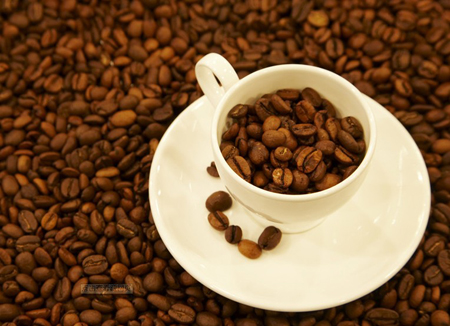
Coffee Flavor Wheel-World's Third Wave of Coffee Aesthetics
Deep baking highlights wood incense Light baking can highlight the bright smell of flowers, grass, fruit acid fragrance, but there is no medicine to save the deep baking fans love the incense, stuffy fragrance, choking fragrance and alcohol of resin components, which is the product of Mena reaction and dry distillation. (resin component: pine and cedar families of conifers, both of which secrete oleoresin compounds and have a pungent aroma to resist pests or squirrel nibbling) destructive distillation

Coffee roasting and Coffee Flavor Coffee Flavor
Americans often say: One mans meat is another mans poison, that is, one person is regarded as delicious, others as poison. The aroma spectrum of dry distillation can be divided into three categories: resin rhyme, spicy rhyme and carbonized rhyme, as follows: 1. Resin rhyme: turpentine and choking turpentine: turpentine, chicory, mahogany, wine, blackcurrant branches and leaves: Rosemary, eucalyptus alcohol, Eucalyptus leaves,

Coffee extraction-how to judge a good cup of coffee? What do you mean by extraction rate and coffee concentration?
The taste and extraction methods of coffee are very diverse. The European Fine Coffee Association once put forward the concept of Gold cup. A certain extraction rate and coffee concentration determine the taste of coffee. However, what is the extraction rate, and what is its effect on the taste of coffee?. Here is some knowledge sharing: extraction rate: the ground coffee powder is not completely soluble in water, but really soluble in water.

What is the fragrance of coffee beans? why the aroma of coffee beans comes from inexplicable chemical reactions.
Professional coffee knowledge exchange more coffee bean information please follow the coffee workshop (Wechat official account cafe_style) front street-coffee aroma source introduction aroma, flavor, aftertaste, acidity and alcohol thickness these five attributes are collided by different compounds. On the cup table, we use our senses to analyze the taste and aroma, which are also caused by chemical compounds. Let's smell dried incense first.

Why are some coffee powders extracted quickly and some slowly?
Why some coffee powder is extracted quickly and some is slow 1. The speed at which water passes through coffee powder is 2. The temperature of water is 3. How is the thickness and state of the powder 4. The depth of baking degree is 5. Length of baking time: fruit acid: aroma and flavor of fruit and flowers, refreshing taste in sweeter coffee beans, but obvious fermented sour smell in less sweet coffee beans

What is the flavor of deep-roasted coffee? what is the flavor of deep-roasted coffee beans? deep-roasted Mantenin Italian mixed beans commercial coffee
Alcohol has been deeply roasted since 1962, when two Nobel laureates, Reichstein and Stottinger, pointed out that uran, mercaptan, and alkylpyrazine. After Diketone is the key point to make coffee aroma, in fact, scientists have made great progress in this field over the years. Thomas H.

Coffee Bean roasting Coffee roasting and Coffee Flavor Wheel
Deep baking highlights that light roasting of wood incense can highlight the bright smell of sour flowers, grass and fruit, but hopeless deep-baked fans fall in love with resin incense, smelling, choking aroma and alcohol smell, which is the product of Mena reaction and dry distillation. (resin composition: pine and cypress Pinaceae and Taxodiaceae, both secrete olefins with spicy aroma to protect against insect pests or squirrels.) dry distillation

Basic knowledge of boutique coffee bean ingredients
★ volatile compounds: volatile compounds are the main source of coffee flavor, especially important for coffee quality. There are many kinds of volatile substances in coffee, and their existence will affect the aroma quality of coffee. Its main source is derived from non-volatile substances in raw beans which are disconnected or derived after reaction in the process of roasting. The role of thermal decomposition, other reactions, or compositions, such as sugar.

Coffee Flavor Wheel and Flavor Spectrum Coffee knowledge
Among all kinds of flavor wheels, coffee is the most esoteric. According to Ivon Flament's "Coffee Flavor Chemistry Coffee Flavor Chemistry", since 1960, scientists have isolated more than 300 compounds from raw coffee beans, and there are more than 850 kinds of coffee ripe beans. Researchers believe that coffee is volatile, water soluble,

Coffee Taste Spectrum and Flavor Wheel scaa Coffee Association
Among all kinds of flavor wheels, coffee is the most esoteric. According to Ivon Flament's "Coffee Flavor Chemistry Coffee Flavor Chemistry", since 1960, scientists have isolated more than 300 compounds from raw coffee beans, and there are more than 850 kinds of coffee ripe beans. Researchers believe that coffee is volatile, water soluble,

Detailed Analysis of the components of Coffee beans
★ volatile compounds: volatile compounds are the main source of coffee flavor, especially important for coffee quality. There are many kinds of volatile substances in coffee, and their existence will affect the aroma quality of coffee. Its main source is derived from non-volatile substances in raw beans which are disconnected or derived after reaction in the process of roasting. The role of thermal decomposition, other reactions, or compositions, such as sugar.
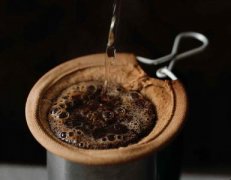
What are the chemical constituents in a coffee bean?
★ volatile compounds: volatile compounds are the main source of coffee flavor, especially important for coffee quality. There are many kinds of volatile substances in coffee, and their existence will affect the aroma quality of coffee. Its main source is derived from non-volatile substances in raw beans which are disconnected or derived after reaction in the process of roasting. The role of thermal decomposition, other reactions, or compositions, such as sugar.

Barista training knowledge: detailed analysis of coffee bean components
★ volatile compounds: volatile compounds are the main source of coffee flavor, especially important for coffee quality. There are many kinds of volatile substances in coffee, and their existence will affect the aroma quality of coffee. Its main source is derived from non-volatile substances in raw beans which are disconnected or derived after reaction in the process of roasting. The role of thermal decomposition, other reactions, or compositions, such as sugar.

How can coffee beans be preserved to reduce the rate of flavor loss? How do coffee bags preserve aroma?
Roasting coffee to show its strong aroma takes time, energy and a lot of trial and error. However, after arriving at the destination, no matter how long it takes, you need to make sure that consumers can enjoy it at home or in a cafe. Packaging plays a role here. By using the right materials and functions, you can keep the aroma of coffee long enough for consumption.
Detailed Analysis of the components of Coffee beans in Coffee Encyclopedia
★ volatile compounds: volatile compounds are the main source of coffee flavor, especially important for coffee quality. There are many kinds of volatile substances in coffee, and their existence will affect the aroma quality of coffee. Its main source is derived from non-volatile substances in raw beans which are disconnected or derived after reaction in the process of roasting. The role of thermal decomposition, other reactions, or compositions, such as sugar.

How to extract the taste of coffee? What is the relationship between the extraction rate and the concentration? How to improve the extraction rate?
Professional coffee knowledge exchange more coffee bean information please follow the coffee workshop (Wechat official account cafe_style) how to extract the taste of coffee? What is the relationship between the extraction rate and the concentration? How to improve the extraction rate? The taste and extraction methods of coffee are very diverse. The European Fine Coffee Association once put forward the concept of so-called Gold cup, which is determined by a certain extraction rate and coffee concentration.
Fine Coffee: a detailed Analysis of the components of Coffee beans
★ volatile compounds: volatile compounds are the main source of coffee flavor, especially important for coffee quality. There are many kinds of volatile substances in coffee, and their existence will affect the aroma quality of coffee. Its main source is derived from non-volatile substances in raw beans which are disconnected or derived after reaction in the process of roasting. The role of thermal decomposition, other reactions, or compositions, such as sugar.
Detailed Analysis of the components of Coffee beans in the training of baristas
★ volatile compounds: volatile compounds are the main source of coffee flavor, especially important for coffee quality. There are many kinds of volatile substances in coffee, and their existence will affect the aroma quality of coffee. Its main source is derived from non-volatile substances in raw beans which are disconnected or derived after reaction in the process of roasting. The role of thermal decomposition, other reactions, or compositions, such as sugar.

A detailed explanation of the ingredients of coffee beans basic knowledge of fine coffee
★ volatile compounds: volatile compounds are the main source of coffee flavor, especially important for coffee quality. There are many kinds of volatile substances in coffee, and their existence will affect the aroma quality of coffee. Its main source is derived from non-volatile substances in raw beans which are disconnected or derived after reaction in the process of roasting. The role of thermal decomposition, other reactions, or compositions, such as sugar.